

Vehicle Jargon Explained
Vehicle Jargon Explained: Demystifying Automotive Terms.
Understanding automotive terms helps make vehicle ownership easier, clearer, and much less stressful. At Croxdale Service Hub, we want you to feel confident making decisions about your car. That is why we have broken down common industry jargon from fuel efficiency measurement cycles to technical safety features so you always know exactly what is happening under the bonnet.

Service Intervals

Horse Power
Fuel Consumption
CO2 emissions
Common Jargons
Understanding Warning Lights

Tyre pressure
.png)
ABS

Battery charge

Fuel

Oil
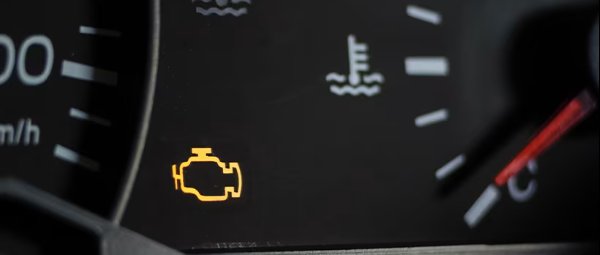
What to Do if Your Engine Light Comes on
If your car’s engine light comes on, consult your owner manual – and don’t hesitate to book a service with Croxdale to address potential issues early.
Co2 Emissions
CO2 emissions refer to the carbon dioxide gas emitted from your vehicle’s exhaust, contributing to air pollution and climate change. Reducing CO2 emissions is vital for a cleaner environment, and vehicles with lower emissions are often eligible for lower road tax.

Frequently Asked Questions
What is the difference between horsepower and torque?
How is fuel consumption measured?
What are ‘drive modes' in a car?
Fill in your details below and a member of our team will be in touch

By providing your details you consent to us being able to contact you using the methods given above. Read more.
Fill in your details below and a member of our team will be in touch
By providing your details you consent to us being able to contact you using the methods given above. Read more.
Fill in your details below and a member of our team will be in touch
By providing your details you consent to us being able to contact you using the methods given above. Read more.
Fill in your details below and a member of our team will be in touch
By providing your details you consent to us being able to contact you using the methods given above. Read more.